Author: admin

  • What Makes Modern Online Casinos So Popular

    What Makes Modern Online Casinos So Popular

    Online casino sites have become one of the most vibrant corners of the digital home entertainment globe. Their appeal lies in the blend of excitement, convenience and constant technology. Gamers no longer need to visit physical venues to experience real-money video gaming. Rather, they can open a mobile application or web browser and access hundreds of video games within mins. This comfort has actually created a brand-new generation of gamers who value adaptability and rapid access over standard online casino routines.

    The development of secure payment https://testtest-test.com/perevirka/ techniques and reliable systems has also strengthened trust. Accredited operators comply with stringent regulations, while modern encryption technologies protect every transaction. Therefore, players really feel safer depositing and taking out funds on-line than ever.

    The Selection of Games Available Today

    One of the strongest benefits of on-line gambling enterprises is the sheer deepness of their video game libraries. Digital platforms supply everything from timeless pokies and modern-day video clip slots to table video games like blackjack, roulette and baccarat. Online dealership areas add an additional layer of realistic look by streaming human croupiers directly to the gamer’& rsquo; s display. These workshops integrate real online casino ambience with the comfort of playing at home.

    The consistent release of new titles keeps the experience fresh. Game service providers frequently introduce upgraded mechanics, enhanced graphics and appealing bonus offer rounds. With numerous choices readily available, players can switch over in between motifs and gameplay styles without feeling limited.

    Rewards and Promotions That Forming Player Experience

    On-line gambling establishments typically stand out via their marketing systems. Rewards can enhance very early sessions, expand gameplay time and supply a chance to discover new games. Although every offer has specific problems, the structure of bonuses plays a significant function in bring in new gamers. Operators create unique incentives for different sorts of users, making certain novices and seasoned gamers alike can locate something that matches their style.

    Promotions also construct lasting interaction. Routine incentives, special occasions and exclusive campaigns assist preserve rate of interest even after the initial deposit. This recurring value is just one of the reasons why many gamers stay loyal to details gambling enterprise brand names.

    The Value of Mobile-First Platforms

    Mobile video gaming has changed the entire online casino site market. Most players currently access their preferred video games through smartphones instead of desktops. This shift has actually encouraged operators to optimise every attribute for smaller screens, making mobile experiences smoother, quicker and extra user-friendly.

    Touch-based user interfaces allow all-natural interaction with games, while light-weight application variations use instantaneous access without jeopardizing on high quality. Mobile-friendly style also makes certain players can take pleasure in quick sessions during breaks or commutes. Because of this, mobile casino sites have actually come to be the key entrance to on-line gaming for several customers worldwide.

    Safety and security, Licensing and Responsible Video Gaming

    Depend on is the structure of on-line casino success. Reliable operators obtain permits from recognised authorities and comply with stringent regulative regulations. These permits verify that games make use of audited arbitrary number generators which payouts adhere to clear regulations. Financial systems additionally play a important role, as encrypted transactions and modern safety devices secure sensitive information.

    At the same time, responsible gaming devices assist make sure that players remain in control. Functions such as deposit limits, cooldowns and self-exclusion choices produce a safer and a lot more encouraging atmosphere. The industry remains to progress with new policies made to protect gamers from risky behaviours.

    The Future of Online Gambling Establishment Enjoyment

    The future of on the internet gaming points towards also better technology. Virtual reality experiences, boosted live-dealer communications and ultra-fast settlement systems are ending up being extra common. Game programmers explore motion picture graphics and advanced technicians that make electronic play extra immersive.

    As innovation continues to advance, on the internet casino sites will likely deliver a lot more customised experiences. Tailored suggestions, adaptive rewards and interactive features will certainly shape the next stage of electronic gaming. The market reveals no signs of decreasing, and gamers can anticipate an progressively abundant and appealing atmosphere in the years ahead.
  • Day Hike In Thimphu

    Day Hike In Thimphu

    DAY HIKE IN THIMPHU

    Day Hike in Bhutan

    There are many hiking trails in Thimphu. One of the best hiking trail in Thimphu is the nature trail which begins from Buddha Dordenma point and ends at Changangkha Lhakhang.
    The hiking trail starts just few minutes away from Buddha Statue. This trails is also used by the cyclist.

    Duration: 6 Days & 5 Nights

    Detailed Itineraries

    Day 1: Explore the trail from Buddha point to Changangkha Lhakhang

    There are many hiking trails in Thimphu. One of the best hiking trail in Thimphu is the nature trail which begins from Buddha Dordenma point and ends at Changangkha Lhakhang.
    The hiking trail starts just few minutes away from Buddha Statue. This trails is also used by the cyclist.
    As you hit the trail you will be greeted by thousands of prayer flags. You will be walking along the pristine forest of pines, birch and rhododendron trees.
    The trail is maintained well. There are Gazebos set along the trails from where you can have a spectacular view of Thimphu valley or have a picnic lunch.

    Drive by the car to Doedena. From here walk up the Tango Monastery. You will also take pack lunch. The hike will take about 1hour 30minutes. Visit the monastery and walk back. We will take our lunch near the Doedena Bridge. After lunch we will hike to Cheri, which will take about 1hour up steep.

    Phajoding is located on the hill overlooking the entire Thimphu Valley. There are many monasteries in Phajoding. The hike will take about 3hours 30 minutes, steep climb. We have to start this hike early in the morning from Thimphu with pack lunch. The hike is through the forest of chirpine and rhododendron.

    This hike can start from Dechenphodrang or from Sangaygang popularly known as BBS tower. It is steep climb till the Lhakhang. From the Lhakhang, it is just a plain walk. From this hike we can see the entire Thimphu Valley, beautifully.

    After Breakfast drive to Paro International Airport.

    Other Packages

  • Architectural and Artistic Marvels: Dzongs and Crafts

    Architectural and Artistic Marvels: Dzongs and Crafts

    Architectural and Artistic Marvels: Dzongs and Crafts

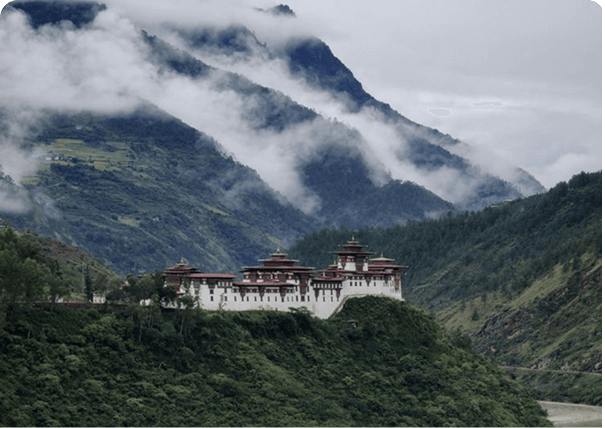
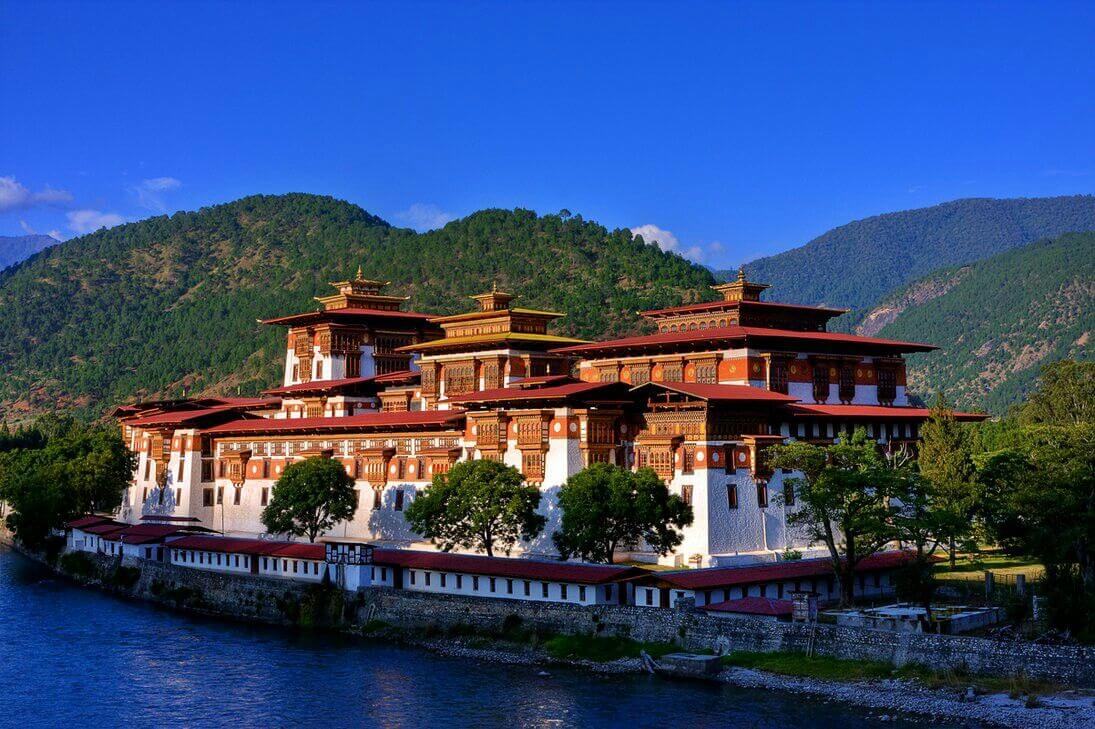
    Bhutan’s cultural identity is visibly defined by its stunning and unique architecture, most notably its majestic Dzongs (fortress-monasteries). These imposing structures, such as the Punakha Dzong and the Rinpung Dzong in Paro, are not only feats of traditional engineering—often constructed without the use of a single nail or iron rod—but also function as the ceremonial, religious, and administrative centers of their respective districts, embodying the symbiotic relationship between church and state.

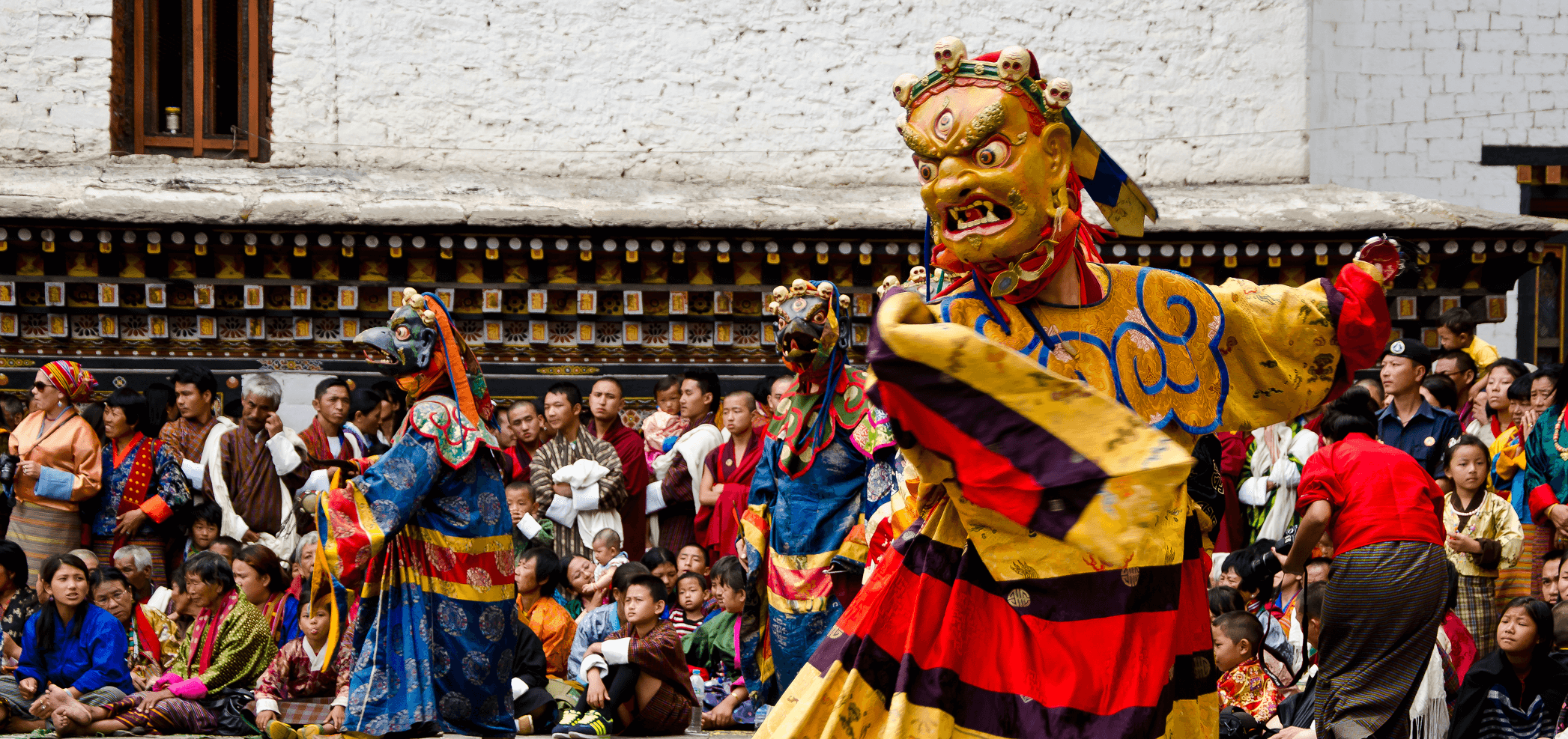
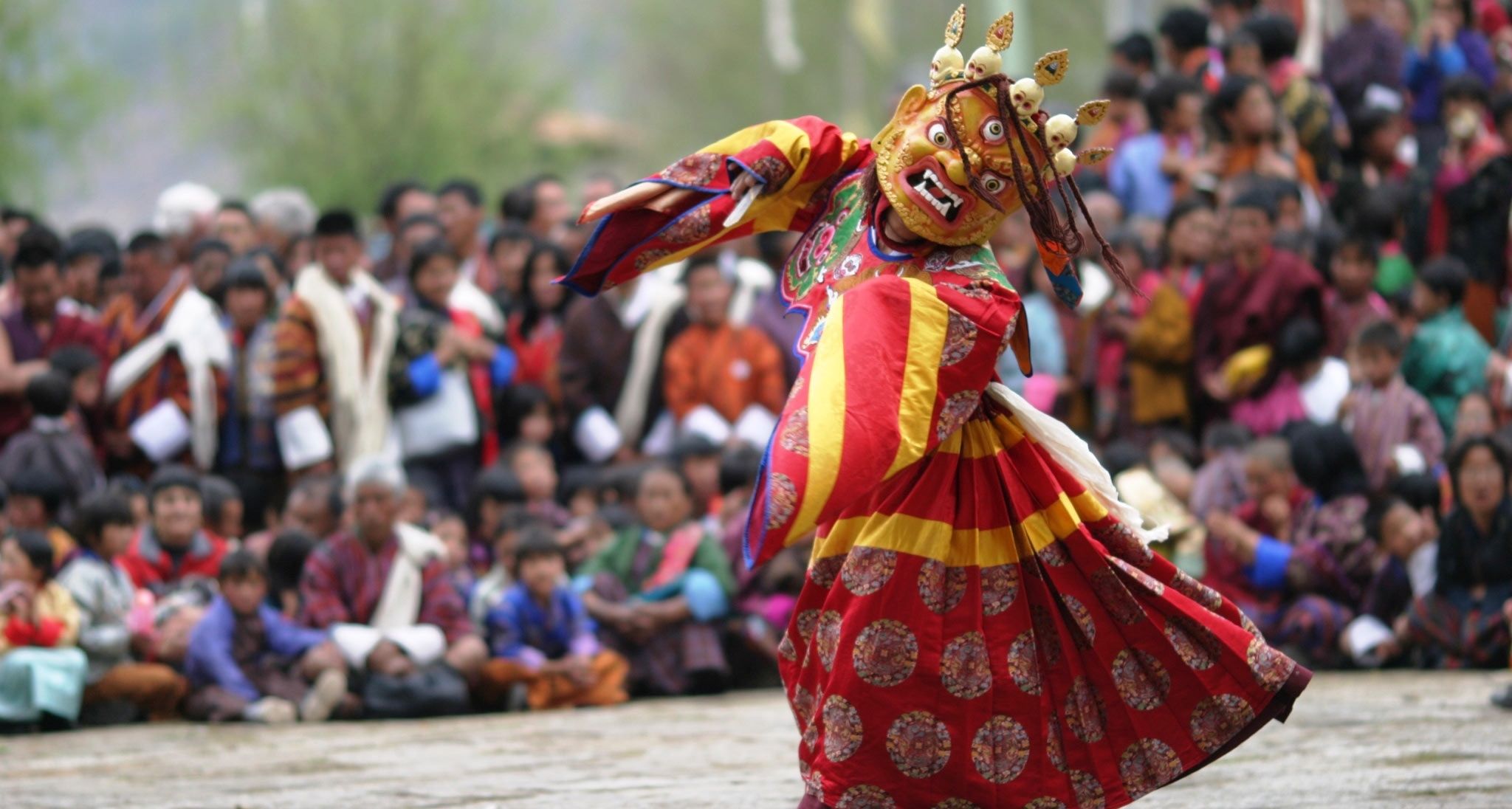
    Beyond the grand scale of the dzongs, Bhutanese artistry thrives in the meticulous detail of the Thirteen Arts and Crafts of Bhutan (Zorig Chusum). This curriculum of traditional skills includes Lha-Zo (painting), Shing-Zo (woodwork), and Tshem-Zo (tailoring). Visitors can witness artisans at work, learning about the spiritual significance and strict rules governing the iconography found in temple murals and scroll paintings (thangkas).

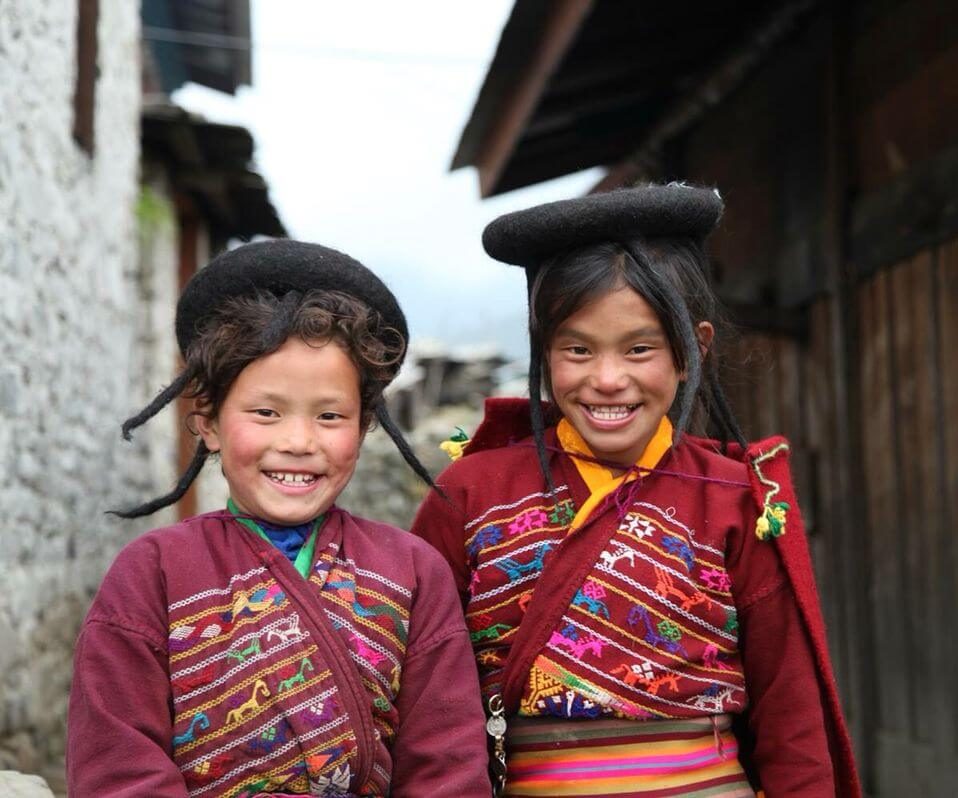
    The textile arts are particularly revered, with weaving traditions passed down through generations. Areas like Lhuntse are famed for producing the intricate Kishuthara (patterned silk weaving). Observing the creation of the national dress, the Gho for men and the Kira for women—offers insight into the deep cultural value placed on handcrafted goods and the symbolic significance of patterns and colors.

    Exploring these artistic traditions provides a window into the Bhutanese soul. Every piece of art, from a simple carved window frame to an elaborate gilded Buddha statue, serves not just as decoration but as a spiritual tool or devotional offering. This constant, high-quality reinforcement of traditional aesthetics ensures that the traveler’s visual experience is consistently harmonious, traditional, and deeply rooted in Vajrayana Buddhist philosophy.

  • Immersion in Gross National Happiness (GNH)

    Immersion in Gross National Happiness (GNH)

    Immersion in Gross National Happiness (GNH)

    Bhutan’s most compelling cultural innovation is its guiding philosophy of Gross National Happiness (GNH), which it champions as a more meaningful measure of progress than Gross Domestic Product (GDP). GNH is built upon four pillars: sustainable and equitable socio-economic development, conservation of the environment, preservation and promotion of culture, and good governance. This holistic approach ensures that every policy and development project is screened for its potential impact on the overall well-being and collective happiness of the Bhutanese people, rather than solely on economic output.

    As a traveler, you will feel the genuine, positive impact of GNH everywhere you go. Interactions with the Bhutanese are marked by a unique warmth, contentment, and lack of aggressive commercialism often associated with tourist economies. The society emphasizes community support, spiritual reflection, and contentment with non-material wealth. This creates an exceptionally peaceful and stress-free environment for visitors, allowing for a deeper, more meaningful connection with the locals and their culture.

    The GNH framework is also directly responsible for preserving the nation’s cultural identity and architectural uniformity. Strict regulations ensure that new construction adheres to traditional Bhutanese design principles, maintaining the kingdom’s timeless aesthetic. This commitment prevents the encroachment of modern, generic infrastructure, guaranteeing that the traveler’s experience remains authentic, visually stunning, and culturally consistent—from the smallest village home to the grandest monastic fortress.

    In essence, traveling to Bhutan is an immersive study in applied contentment. It offers a rare opportunity to step back and observe a society that prioritizes human flourishing over endless consumption. Tourists leave not just with memories of beautiful scenery, but often with a renewed perspective on life and an inspiration gleaned from witnessing a successful, compassionate society dedicated to happiness.

  • The World’s Only Carbon-Negative Nation

    The World’s Only Carbon-Negative Nation

    The World’s Only Carbon-Negative Nation

    Bhutan holds the distinguished title of being the world’s only carbon-negative country, a fact underpinned by its profound constitutional commitment. The nation’s forest cover currently exceeds 70%, far surpassing the constitutional requirement of maintaining at least 60%. This extraordinary ecological stewardship is not accidental; it is the direct result of deliberate national policy rooted in the belief that the environment is sacred. For travelers, this means exploring a pristine, unspoiled landscape where the air is noticeably clean, the water is pure, and the ecological health of the nation is rigorously prioritized over industrial gain.

    This commitment to environmental sustainability is deeply integrated into the travel experience itself. When you journey through Bhutan, you are essentially traversing a vast, protected biological corridor. The government strictly regulates development and pollution, ensuring that both urban centers and remote valleys maintain an exceptional standard of cleanliness. Trekking in areas like the Jomolhari region or exploring the untouched wilderness of the east allows visitors to witness true ecological purity, providing a refreshing escape from the environmental degradation common in many other rapidly developing nations.

    Furthermore, Bhutan actively promotes the use of renewable energy, particularly hydropower, which allows the country to sell clean energy to its neighbors, thereby offsetting global carbon emissions far beyond its borders. The nation views itself as a steward of its natural heritage, not just for its own people, but for the world. Traveling to Bhutan is a vote of confidence in this sustainable model and ensures that your tourist dollars support a country that is actively fighting climate change and protecting critical Himalayan ecosystems.

    Ultimately, choosing Bhutan is a responsible, ethical decision for the eco-conscious traveler. It’s an opportunity to bear witness to a functional, successful model of sustainability and conservation. The landscapes—from high-altitude alpine meadows to dense subtropical forests—are breathtakingly beautiful precisely because they are legally and spiritually protected. This unparalleled environmental purity is a powerful reason to visit, offering both spiritual rejuvenation and peace of mind.

  • Exploring the Hidden Valleys of Bhutan

    Exploring the Hidden Valleys of Bhutan

    Exploring the Hidden Valleys of Bhutan

    Bhutan’s most sacred and secluded areas are known as Beyuls (Hidden Valleys), spiritual sanctuaries believed to have been consecrated by Guru Rinpoche (Padmasambhava) in the 8th century. These are not merely remote geographical locations but mythical refuges where spiritual treasures (terma) are concealed, destined to be revealed in times of need. The Beyul concept embodies Bhutan’s profound respect for the natural world, viewing the mountains and valleys as living entities and holy ground. Exploring these areas offers visitors a unique opportunity to connect with the kingdom’s spiritual heart and observe its deep commitment to ecological conservation and traditional Buddhist life.

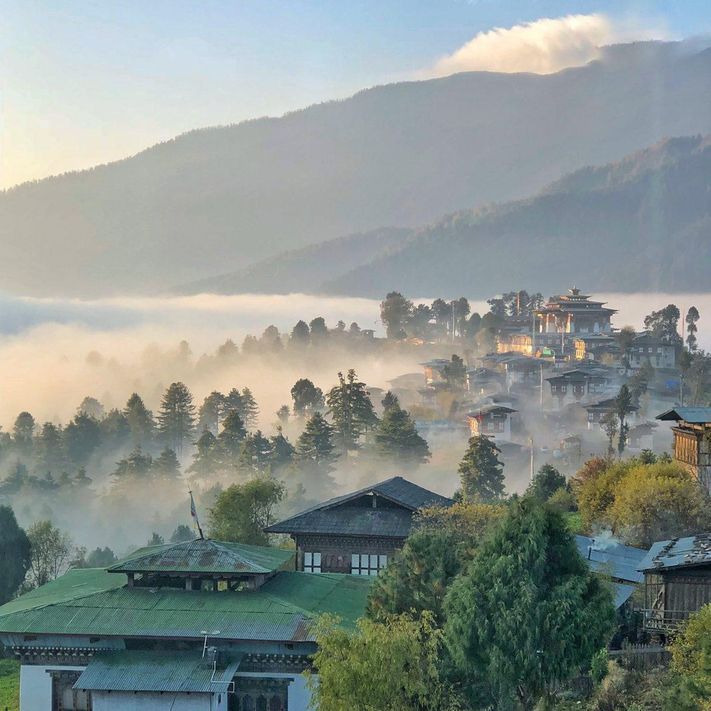
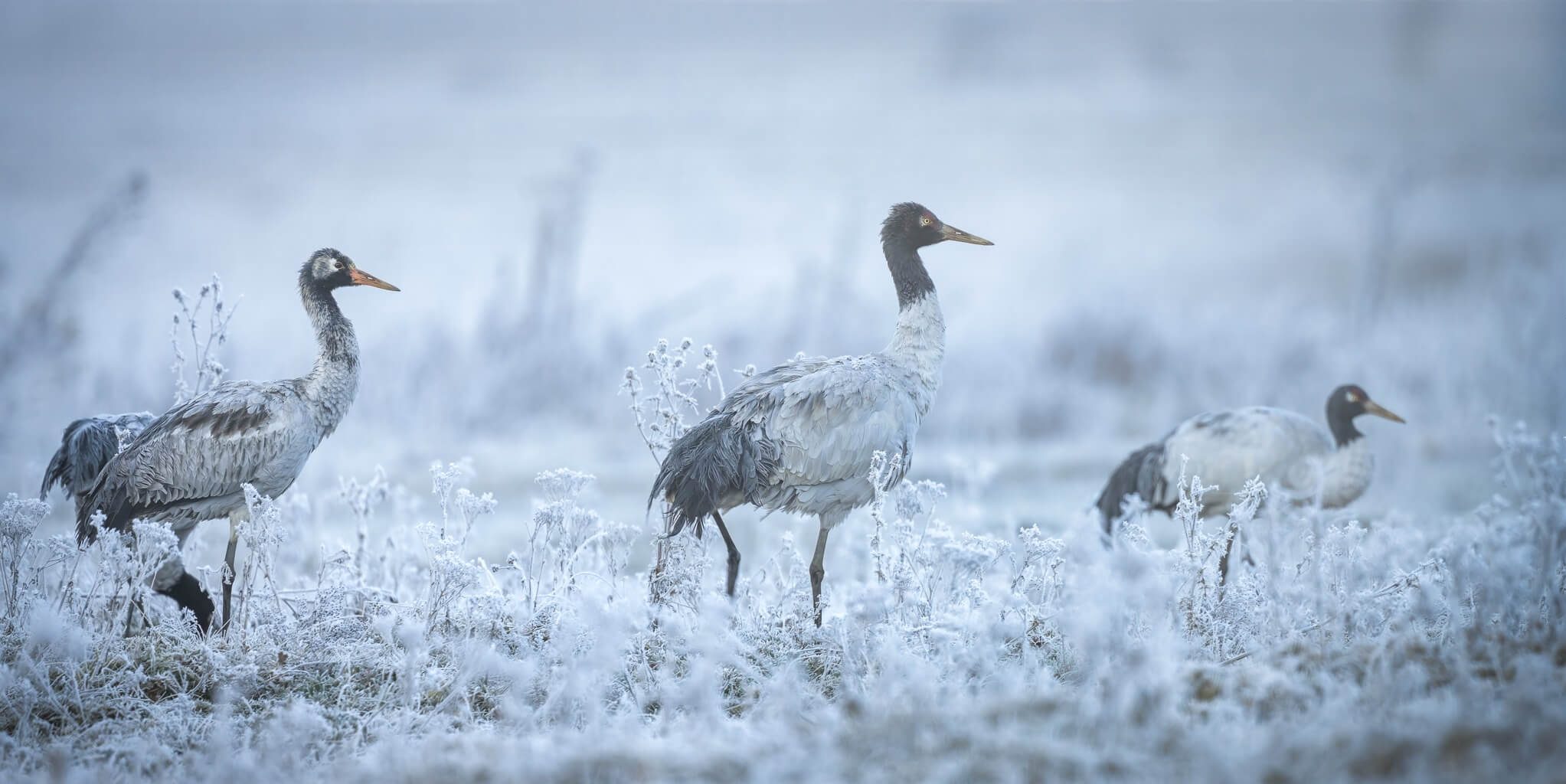
    While the truly hidden Beyuls remain guarded, several pristine valleys exemplify this sacred spirit and are accessible to travelers. The Phobjikha Valley, a spectacular glacial basin, is famous as the winter home of the endangered Black-necked Cranes and is overlooked by the historic Gangtey Monastery. Similarly, the remote Haa Valley offers a glimpse into authentic rural life, shielded by the high Chele La Pass. Further east, the Bumthang Valley is considered the spiritual heartland, a cluster of four valleys rich with Bhutan’s oldest and most significant temples, making it a major pilgrimage destination.

    A journey through these valleys is a pilgrimage that often involves traversing challenging terrain, reminding travelers that access to spiritual depth requires effort and purity of intention. Whether hiking the Gangtey Nature Trail or visiting ancient temples in Bumthang, visitors witness firsthand how the Beyul philosophy shapes Bhutanese culture. It fosters a philosophy of sustainable stewardship, where nature is revered and protected, ensuring the serenity and spirituality of these hidden lands endure for generations. These valleys are truly the soul of the Thunder Dragon Kingdom.

  • Little Bhutan Tour

    Little Bhutan Tour

    LITTLE BHUTAN TOUR

    Little Bhutan Tour

    Visit Dungtse Lhakhang, a temple with interesting architecture built in the form of a chörten. It contains one of most beautiful the collection of paintings of all the country, characteristic of the school Drukpa Kagyu. Visit the Musuem (Ta Dzong), this is once the Watch Tower for the Rinpung Dzong. Visit the Paro Rinpung Dzong.

    Duration: 5 Days & 4 Nights

    Detailed Itineraries

    Day 1, Abroad to Thimphu via Paro

    Your introduction to our enchanting kingdom begins on a flight over the Himalayas into the lush green valley of Paro; truly one of the world’s most spectacular sights. Flying into Paro, Bhutan is a unique experience altogether. You will view the world’s highest, most majestic peaks and enjoy the view of the approaching valley with its primeval alpine forest, monasteries, temples and farmhouse nestled in splendid mountain isolation.
    Our airport representative/guide will receive you at the airport.

    The drive from Paro to Thimphu follows the Paro River till its confluence with the Thimphu River from which point you will take the road along the Thimphu river valley till the Capital town.

    Check-In at The Pema by Realm

    In the afternoon visit Memorial Chorten: Stupa built on memory of third King of Bhutan. Take a short drive to Buddha Point (Newly built giant Statue of Buddha).

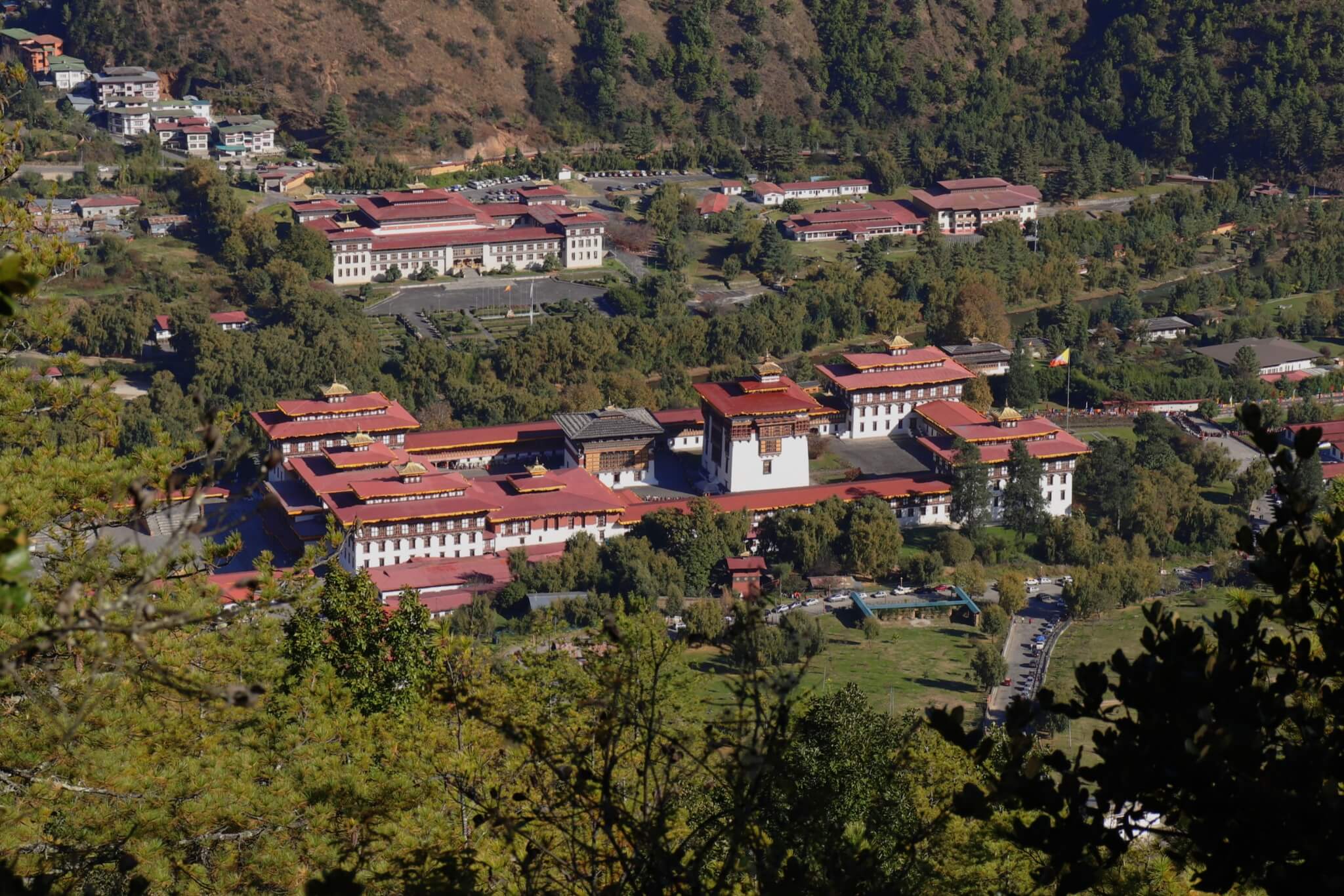
    Visit the second day visit Trashichhodzong Courtyard. This massive building houses government ministries, the Throne Room and the residence of Chief Abbot. Also visit the following places of interest:
    – Dochula Pass

    -Textile Museum
    -Takin Reserve (National Animal)
    -School for traditional arts & Crafts

    -Folk Heritage Museum
    -Handicrafts Emporium
    In the evening walk around the Thimphu market.

    After Breakfast, Check-Out from the Hotel and drive to Paro which is approximate of 1 hour.
    Drive to the ruins of the Drukgyal Dzong, built in 1647 by the Great Shabdrung Ngawang Namgyal, father and unifier of medieval Bhutan, the dzong was destroyed by accidental fire and left in ruins as an evocative reminder of the great victories it was built to commemorate. On the way back, visit Kichu Lhakhang, built in 659 A.D by the Tibetan king Songtsen Gempo.
    After Lunch: Visit Dungtse Lhakhang, a temple with interesting architecture built in the form of a chörten. It contains one of most beautiful the collection of paintings of all the country, characteristic of the school Drukpa Kagyu. Visit the Musuem (Ta Dzong), this is once the Watch Tower for the Rinpung Dzong. Visit the Paro Rinpung Dzong. This is the seat of the district administration as well as the home for the monastic school. The Dzong was built in 1645 A.D. Meet the monks and discuss on their day to day monastic life. Later Stroll in the Paro town.

    After Breakfast drive to Paro International Airport.

    Other Packages

  • Glimpse of Bhutan

    Glimpse of Bhutan

    GLIMPSE OF BHUTAN

    Glimpse of Bhutan

    Your introduction to our enchanting kingdom begins on a flight over the Himalayas into the lush green valley of Paro; truly one of the world’s most spectacular sights. Flying into Paro, Bhutan is a unique experience altogether. You will view the world’s highest, most majestic peaks and enjoy the view of the approaching valley with its primeval alpine forest

    Duration: 4 Days & 3 Nights

    Detailed Itineraries

    Day 1: Paro to Thimphu

    Your introduction to our enchanting kingdom begins on a flight over the Himalayas into the lush green valley of Paro; truly one of the world’s most spectacular sights. Flying into Paro, Bhutan is a unique experience altogether. You will view the world’s highest, most majestic peaks and enjoy the view of the approaching valley with its primeval alpine forest, monasteries, temples and farmhouse nestled in splendid mountain isolation.

    Arrival at Paro International Airport, you will be received by our representative and will drive to hotel for check-In and refreshment. The drive from Paro to Thimphu follows the Paro River till its confluence with the Thimphu River from which point you will take the road along the Thimphu river valley till the Capital town. In Thimphu, Visit Memorial Chorten: Stupa built on memory of third King of Bhutan. Take a short drive to Buddha Point (Newly built giant Statue of Buddha).

    Overnight at The Pema by Realm

    Visit the Trashichhodzong Courtyard. This massive building houses government ministries, the Throne Room and the residence of Chief Abbot.
    Do not miss following places to visit.
    – Zilukha Nunnery (Dupthop Lhakhang)

    – Buddha Dordenma(Buddha Statue 51.5 meter)
    -Textile Museum

    -Takin Reserve (National Animal)
    -Folk Heritage Museum
    -Handicrafts Emporium

    Drive to the ruins of the Drukgyal Dzong, built in 1647 by the Great Shabdrung Ngawang Namgyal, father and unifier of medieval Bhutan, the dzong was destroyed by accidental fire and left in ruins as an evocative reminder of the great victories it was built to commemorate. On the way back, visit Kichu Lhakhang, built in 659 A.D by the Tibetan king Songtsen Gempo.

    In the afternoon visit Ta Dzong, inaugurated as National Museum in 1968, and holding a fascinating collection of art, relics, religious thangkha paintings, Bhutan’s exquisite postage stamps, coins and handicrafts, together with a small natural history collection.
    Later drive down the trail to visit Rinpung Dzong, also known as “fortress of the heap of jewels”. Built in 1646 by Zhabdrung Ngawang Namgyal , the first spiritual and temporal ruler of Bhutan, the Dzong houses the monastic body of Paro.

    OR

    Excursion to Taktsang
    You will do an excursion to the Tiger’s Nest. Drive to the Satsam Chorten and hike to the View Point of Taktsang (Tiger’s Nest.) The hike takes about 4 hours round trip. The name ‘Taktshang’means “Tiger’s Nest and it clings to a huge granite cliff 800 meters from the Paro Valley. It is believed that the great saint Padmasambhava, known as the second Buddha in Bhutan, came here in the 8th century on a flying tigress and meditated in a cave for 3 months, thereby subduing the demons that were trying to stop the spread of Buddhism. The saint then converted the Paro Valley into a Buddhist region.

    Lunch at the Taktshang Cafeteria.

    Over Night at Paro

    After Breakfast drive to Paro airport.

    Other Packages

  • Shingra-La Tour

    Shingra-La Tour

    SHINGRA-LA TOUR

    Shingra-La Tour

    Phobjikha is a glacial valley on the periphery of the northwestern tip of the Black Mountain National Park. The valley is a conservation area and lies on the northern boundary of the Jowo Durshing range. The Phobjikha Valley is one of the roosting grounds of the Black-necked cranes (grus nigri collies.)

    Duration: 7 Days & 6 Nights

    Detailed Itineraries

    Day 1, Abroad To Thimphu via Paro

    Your introduction to our enchanting kingdom begins on a flight over the Himalayas into the lush green valley of Paro; truly one of the world’s most spectacular sights. Flying into Paro, Bhutan is a unique experience altogether.
    When you arrive at the Paro International airport, you will be received by our representative/guide and then can start your journey to Thimphu following the Paro River till its confluence with the Thimphu River. It will take approximate of 1 hour to reach Thimphu City.
    Check-In at The Pema by Realm.

    In the afternoon visit Memorial Chorten: Stupa built on memory of third King of Bhutan. Take a short drive to Kuenselphodrang or Buddha Point.

    Visit the second day visit Tashichhodzong Courtyard. This massive building houses government ministries, the Throne Room and the residence of Chief Abbot. Also visit the following places of interest:
    – Zilukha Nunnery (Dupthop Lhakhang)

    -BBS Tower viewpoint
    -Textile Museum

    -Takin Reserve
    -School for traditional arts & Crafts

    -Folk Heritage Museum
    -Handicrafts Emporium
    In the evening walk around the Thimphu market.

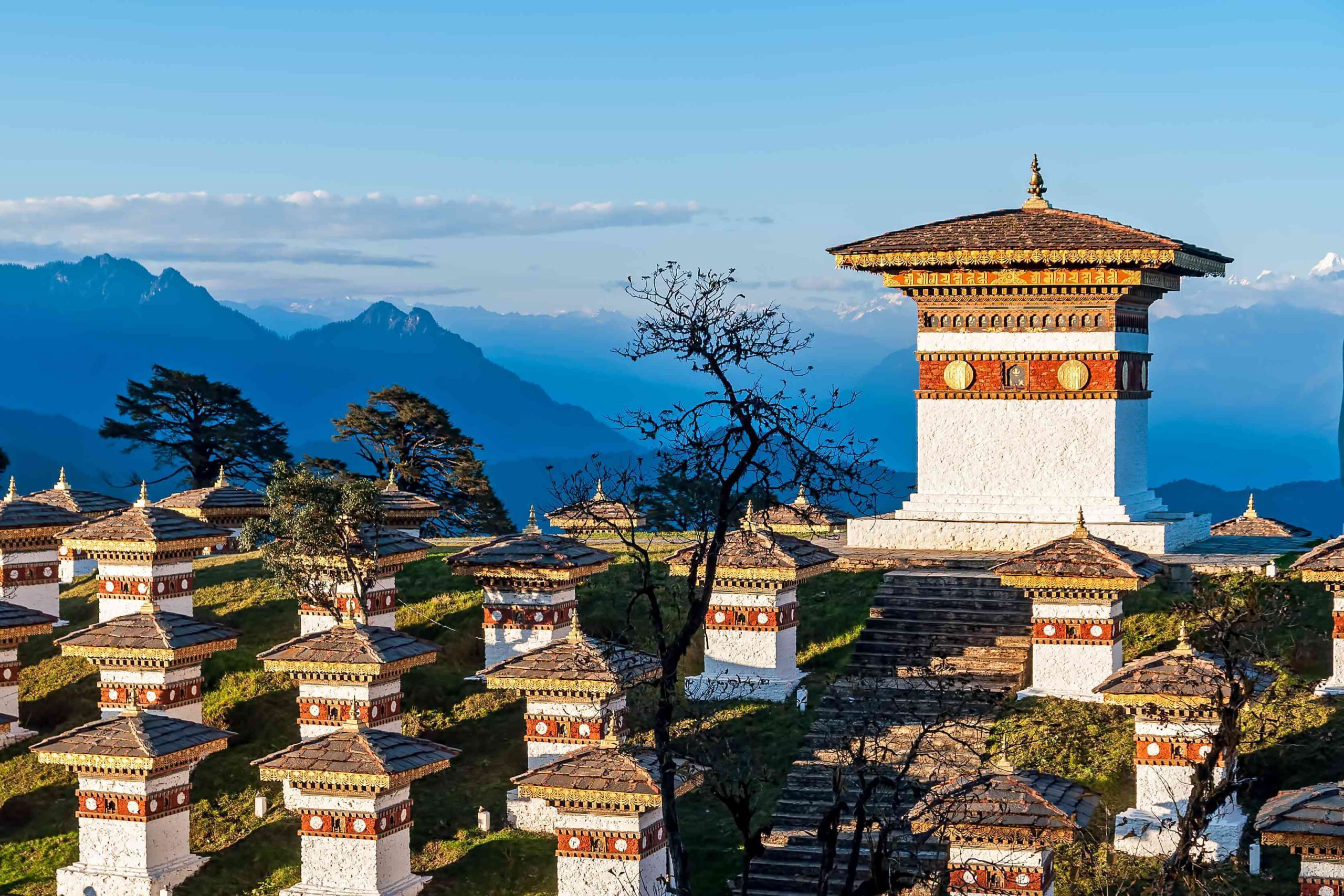
    After breakfast drive to Punakha crossing over Dochula Pass at 3150 m. Explore the pass over a cup of coffee and tea. Drive to Punakha En routing a short hike to Chimi Lhakhang, a fertility temple.
    After Lunch: Visit the impressive Punakha Dzong – winter residence of the Central Monastic Body and the District Administration.
    Later in the evening stroll through Khuruthang town.

    Overnight at Punakha.

    After breakfast drive on to Phobjikha valley. The drive follows the highway to Nobding 40 Km away from where you will divert onto a 13-km unpaved track crossing over the Gangtey Pass (3140 m) and then drop into the Phobjikha Valley.
    Phobjikha is a glacial valley on the periphery of the northwestern tip of the Black Mountain National Park. The valley is a conservation area and lies on the northern boundary of the Jowo Durshing range. The Phobjikha Valley is one of the roosting grounds of the Black-necked cranes (grus nigri collies.) Each year in winter the birds migrate from Tibet and Siberia. People sometimes refer to the entire region as Gangtey after the name of the Gangtey Goenpa that is situated on a ridge overlooking the Phobjikha valley. According to legend the Gangtey Goenpa was founded by the grandson (the mind incarnation) of Pema Lingpa Gyalse Pema Thinley in 1613 now it is the seat of Gangtey truelku one of the incarnation of Pema Lingpa which was renovated quite recently. This monastery has one of the most elaborate and beautiful carvings and paintings in the country. Visit the Gangtey Goempa and then do nature hike across the valley.

    Drive back to Punakha.

    Drive back to Paro via Thimphu. Lunch at Thimphu restaurant and after lunch drive to Paro. On the way visit Dungtse Lhakhang, a temple with interesting architecture built in the form of a chörten. It contains one of most beautiful the collection of paintings of all the country, characteristic of the school Drukpa Kagyu. Visit the Musuem ( Ta Dzong) This is once the Watch Tower for the Rinpung Dzong.
    Visit the Paro Rinpung Dzong. This is the seat of the district administration as well as the home for the monastic school. The Dzong was built in 1645 A.D. Meet the monks and discuss on their day to day monastic life.
    Stroll in the Paro town and after that check-in in the hotel and relax after long travels.

    Excursion to Taktsang :
    You can do an excursion to the Tiger’s Nest. Drive to the Satsam Chorten and hike to the View Point of Taktsang (Tiger’s Nest.) The hike takes about 4 hours round trip. The name ‘Taktshang’means “Tiger’s Nest and it clings to a huge granite cliff 800 meters from the Paro Valley. It is believed that the great saint Padma Sambhava, known as the second Buddha in Bhutan, came here in the 8th century on a flying tigress and meditated in a cave for 3 months, thereby subduing the demons that were trying to stop the spread of Buddhism. The saint then converted the Paro Valley into a Buddhist region.

    Back to Hotel and take rest after a hectic hike.

    Departure to Abroad

    Other Packages

  • Cultural Tour

    Cultural Tour

    CULTURAL TOUR

    Cultural Tour

    Visit Ta Dzong and Paro Dzong (Fortress) on foot and continue walking through the oldest wooden bridge still in use. Continue further to stroll around the old Paro town and peep into some local handicrafts stores. Could get some opportunity to see the traditional game, Archery match going on. Evening back to the hotel.

    Duration: 6 Days & 5 Nights

    Detailed Itineraries

    Day 1: Arrival in Paro to Thimphu (1 Hour drive)

    Receive at Paro International Airport by our Representative. The flight from Delhi/Kathmandu is considered as one of the most scenic flight offering the view of the world’s top ten highest peaks. Enjoy the scenic drive to Thimphu. After Lunch visit the Memorial Chorten (temple) built in memory of the late 3rd King. If time permits visit Changangkha Lhakhang, the oldest temple in the valley offering a beautiful view of the valley. Enclosure where the national animal, Takins are kept and drive to visit the largest and the newly built statue of Buddha offering magnificent view of entire Thimphu valley. After 5 PM, visit the fortress of Thimphu, Tashichho Dzong, which houses the throne of the king. Evening walk around the happening town, the largest and the most crowded town in Bhutan.

    Overnight at The Pema by Realm

    After Breakkfast drive to Punakha crossing over Dochula pass (3200 meters). If the weather permits one can enjoy a spectacular breath taking view of the highest mountain peaks of Bhutan at a sight that stretches almost 180 degrees. Take a break and walk around the newly built 108 stupas and continue to the sub-tropical valley of Punakha offering a different vegetation.
    En-route just before arriving the hotel, taka a nice hike through the paddy field and old village to visit Chimi Lakhang, the temple of fertility associated with religious art of phallus.

    Overnight at Punakha

    Morning drive to visit Punakha Dzong (fortress), which houses the most elaborated temple in the country. This is a must to see fortress in Bhutan and a fine example of Bhutanese rich Art and Architecture. After the visit if you are in mood for a nice half-day hike, you could start the hike right above the Dzong with a short steep climb offering a great view of the valley with houses spread all around and the never ending turquoise river and it’s sandy river bed. This trail is also popular for mountain biking. The hike ends through the farm field crossing the newly constructed bridge, where your car will be waiting at the other side of the river. If you choose the entire activity can be done on foot from your hotel. After lunch could go for an hour hike (uphill) to the temple of Khamsum Yuley Lakhang overlooking the paddy field and the snakelike river bends. If you are bit tired, could also drive for a short while towards Wangdi province and stop for a short hike to the ancient village of Rinchengang overlooking the ruins of Wangdi Dzong. It’s amazing how they have managed to be together with and preserve the old houses. Or could relax in the balcony of the hotel to enjoy the view and the nature.

    Overnight at Punakha

    After Breakfast, drive to Thimphu. Visit the happening weekend market (Friday, Saturday, Sunday) where the locals from the surrounding villages come to sell their produce. Visit the traditional Hand Made Paper Mill. Visit the School of Arts and Crafts where students learn 13 different arts used predominantly in Bhutan. Visit Folk Heritage Museum which explains how a traditional house used to be like in the olden days. Later visit the National Library which houses the collection of Bhutanese rich religious text and the contemporary Buddhism teachings from master all around the world. Drive further up to visit the Dechenphodrang monastic school and meet the young monks. Later continue to Zilukha nunnery to meet the nuns and interact with them.

    Overnight at The Pema by Ream

    Morning drive to the base for the hike (3 hrs uphill) to Tiger’s Nest, the most revered temple in the country that literally hangs on a granite cliff over-looking the Paro valley. Most of the day will go on the hike. On the way back, if you have the energy and time visit the Kichu Lakhang, one of the oldest temples in Bhutan which marks the beginning of Buddhism in the country.
    Visit Ta Dzong and Paro Dzong (Fortress) on foot and continue walking through the oldest wooden bridge still in use. Continue further to stroll around the old Paro town and peep into some local handicrafts stores. Could get some opportunity to see the traditional game, Archery match going on. Evening back to the hotel.

    Overnight at Paro

    Early morning drop to the airport for your departure flight. Your guide will bid you farewell at the airport.

    Other Packages